Written by: Nabil Amdan
A show table covered in watches with novel design choices from across the globe would have felt improbable in Montreal not very long ago.
But the city has long supported creative communities built around niche interests, carefully considered design and objects that reward close attention.
Watch enthusiasts were already part of that landscape.
Collectors and independent groups gathered in cafés and private dining rooms, exchanged messages in group chats, attended local meetups and built relationships through forums and social media. What remained absent was a public event capable of bringing those communities together under one roof.
The inaugural Montreal Timepiece Show filled that role.
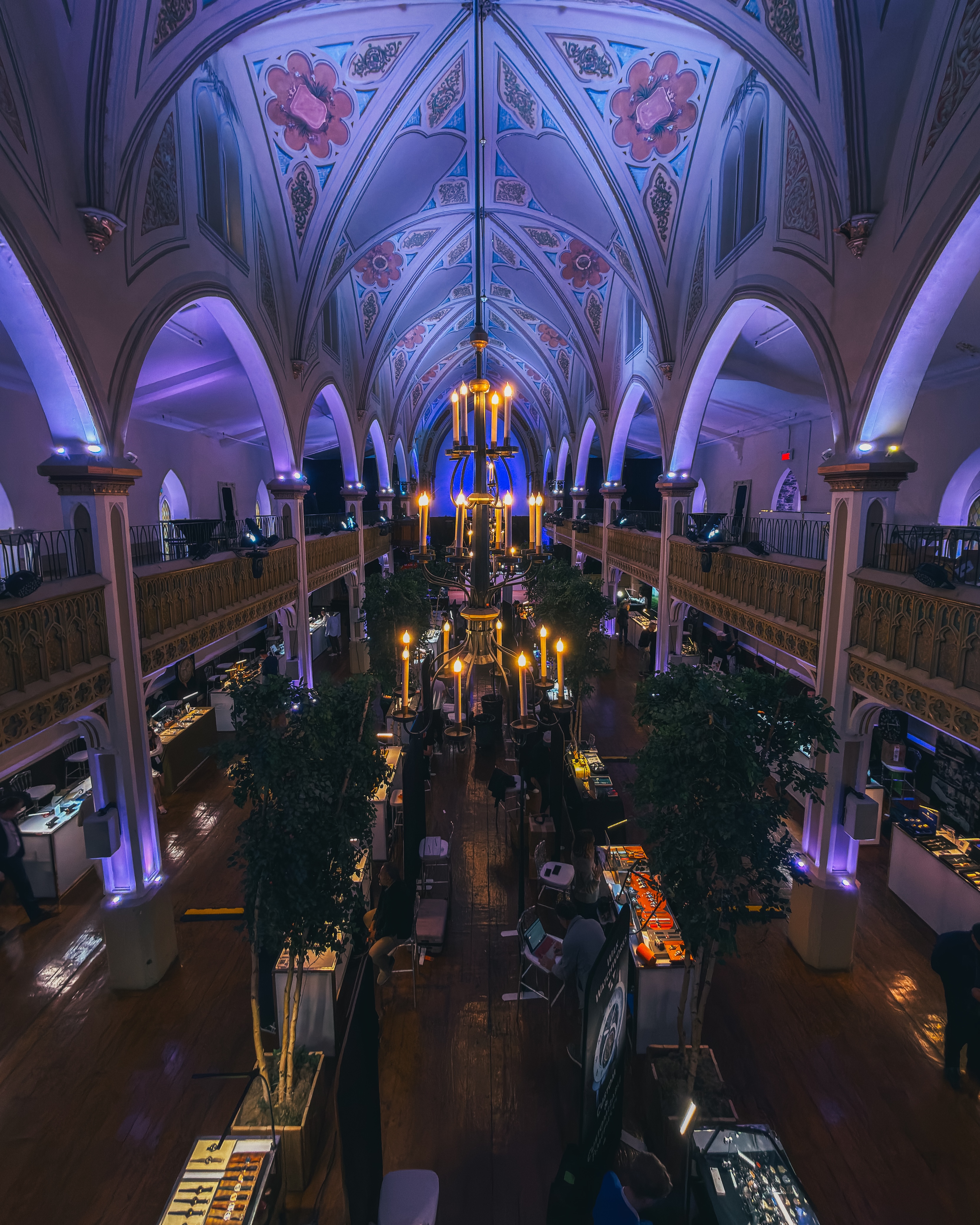
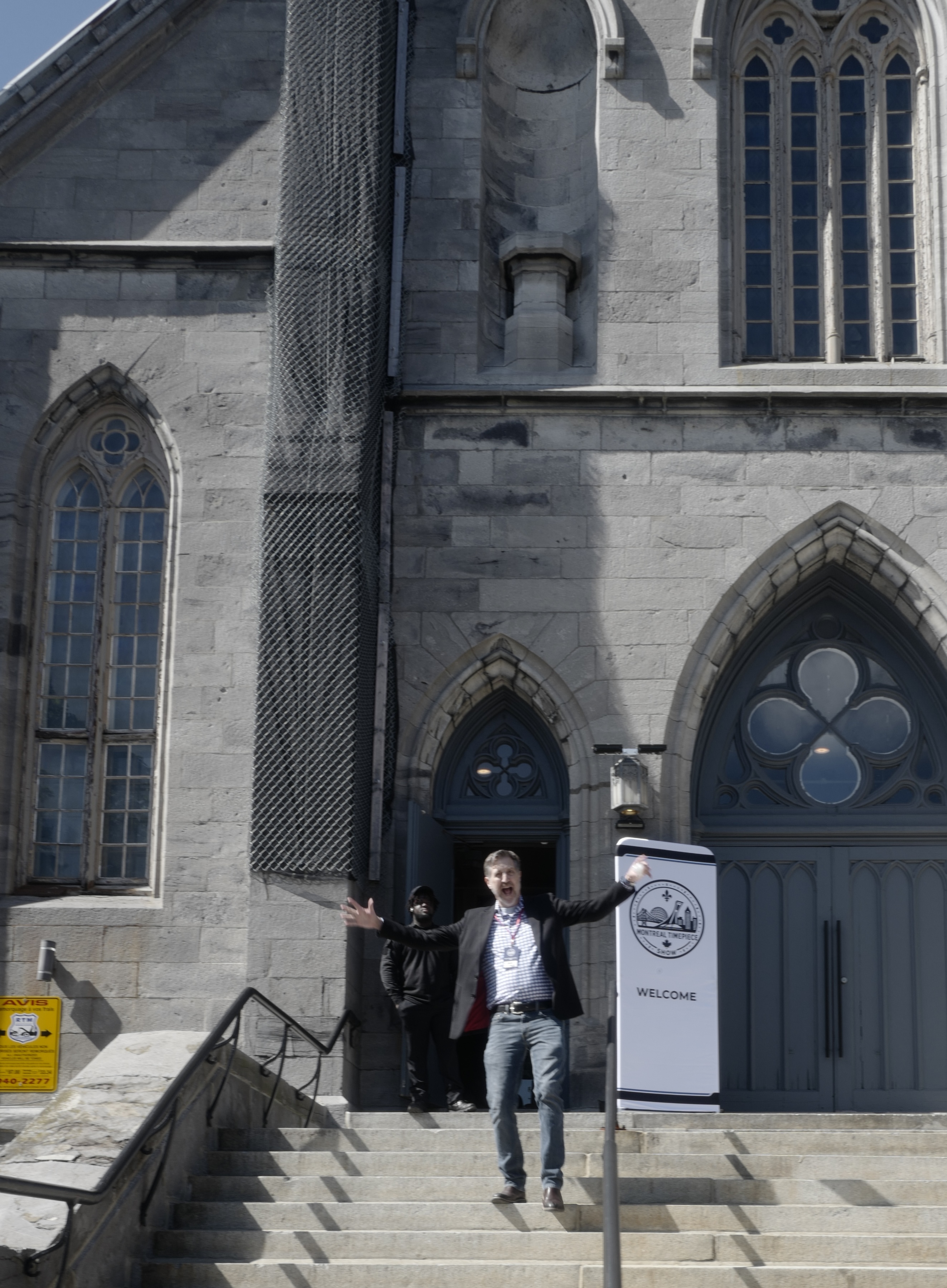
On paper, the event looked similar to many emerging watch fairs. Independent brands exhibited alongside microbrands. Collectors moved between tables handling watches they had previously encountered only through photographs. Conversations with brands stretched from design language to manufacturing challenges to the realities of running a small watch company. Yet the significance of the show extended beyond the watches on display.
Over the course of the past several years, the Canadian watch scene has become increasingly visible. Enthusiast communities that once operated largely within their own cities have begun forming stronger connections across the country. The launch of the Toronto Timepiece Show in 2024 by Jason Hutton helped accelerate that process. Vancouver followed. Montreal now joins a growing calendar of events that allows collectors, creators, dealers and enthusiasts to interact in person with greater frequency.
That development reflects a broader change in how watch culture functions today.

Many of the brands present in Montreal would have struggled to exist twenty years ago. Modern manufacturing has lowered barriers to entry. Small production runs have become economically viable. Digital communication allows founders to speak directly with customers and enthusiasts. A designer with a compelling idea can build an audience without relying on the traditional structures that once dominated the industry. The result is a landscape filled with independent voices, distinctive aesthetics and a level of experimentation that would have been difficult to imagine during earlier periods of watch collecting.
Montreal proved to be a fitting home for that environment. The city has a longstanding appreciation for creative industries and independent projects. Fashion, industrial design, publishing, music and contemporary art all occupy visible places within its cultural life. Many of the watches displayed throughout the weekend felt connected to those same creative instincts. Case profiles reflected architectural influences. Typography received careful attention. Materials were selected with purpose. Several brands approached watchmaking as an exercise in design as much as engineering.
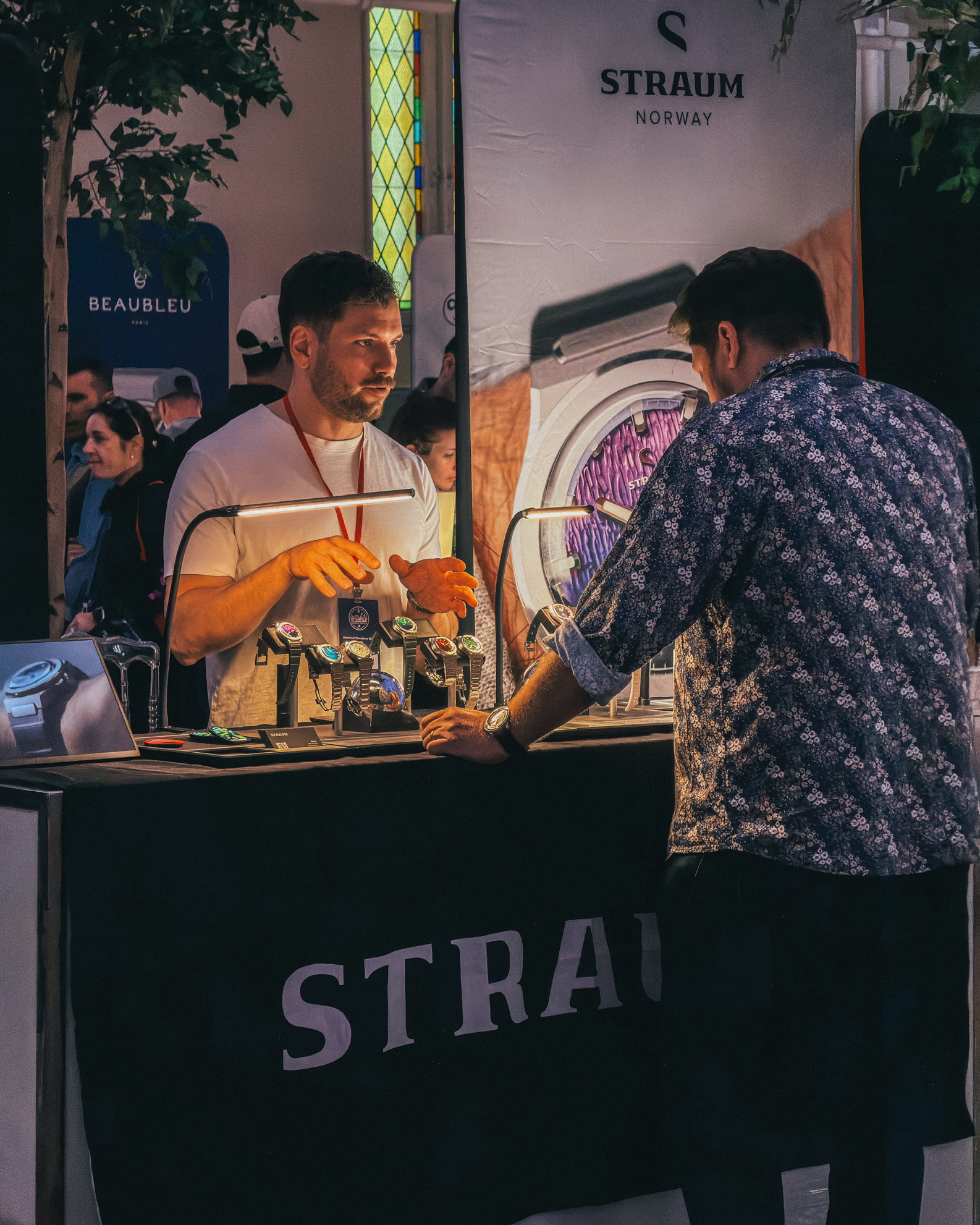
What made the event particularly interesting was the way those brands interacted with attendees. Visitors often spoke directly with founders and designers rather than representatives operating within a larger corporate structure. Questions moved naturally from product specifications into discussions about process, inspiration and problem solving. The watches served as an entry point into conversations about creativity and craftsmanship.

That atmosphere encouraged participation from collectors at every stage of the hobby. Experienced enthusiasts shared knowledge with newcomers. Independent founders received immediate feedback from potential customers. Online relationships acquired a physical dimension. Familiar usernames became faces. Digital conversations continued in person.

Canada's geography has historically made those interactions difficult to sustain. Enthusiasts are distributed across enormous distances. A collector in Vancouver may spend years communicating with someone in Montreal without an opportunity to meet. Digital platforms helped bridge those gaps, though they could never fully replace physical gatherings. Events such as the Montreal Timepiece Show provide something the internet cannot. They create a shared environment where people encounter both watches and one another directly.
That may ultimately be the most important development taking place within the Canadian watch scene.
The growth of these events signals the emergence of a stronger national community. Collectors are no longer participating solely within local circles. Relationships increasingly extend across provincial boundaries. Brands travel between cities. Enthusiasts return to familiar events and reconnect with people they met months earlier. New traditions begin to form.

Walking through the Montreal show, it became clear that many attendees had come for reasons extending beyond product discovery. Some arrived to support friends exhibiting their work. Others wanted to reconnect with collectors they knew from previous events. Many were simply curious about the people shaping the country's growing independent watch scene. The sense of participation felt as important as any individual watch release.
That dynamic suggests a healthy direction for the future. Strong enthusiast cultures depend on more than products. They require spaces where knowledge circulates, relationships develop and newcomers feel welcome. They benefit from recurring events that create continuity over time. Communities become stronger when people have opportunities to gather regularly and share their enthusiasm with others who understand it.

The Montreal Timepiece Show offered a glimpse of that process in motion. The event demonstrated that Canada's watch community possesses both the scale and the energy necessary to sustain meaningful national gatherings. It also highlighted the growing influence of microbrands and independent creators within the broader culture of collecting.
Canada is unlikely to become a global center of watch manufacturing. But the country's contribution may take a different form. What appears to be emerging is a network of engaged enthusiasts connected through shared curiosity, recurring events and an appreciation for independent creativity. Toronto, Vancouver and now Montreal provide physical anchors for that network. Each gathering strengthens the connections between people who care deeply about watches and the culture surrounding them.
The inaugural Montreal Timepiece Show felt significant because it made those connections visible. A community that had spent years growing through conversations, friendships and shared enthusiasm finally had another place to gather. The watches provided the occasion, but the people gave the event its meaning.

%201.png)
