Written by: Matt Black
As I worked my way through Stefan Kudoke's answers thoughout our recent dialogue, I kept expecting him to talk about watches.
What surprised me was how rarely he talked about them in the way many founders do.
Reflecting on what I learned about his journey up to this point, I found myself thinking less about watches and more about the person behind them.
That seems to be the story of KUDOKE itself.
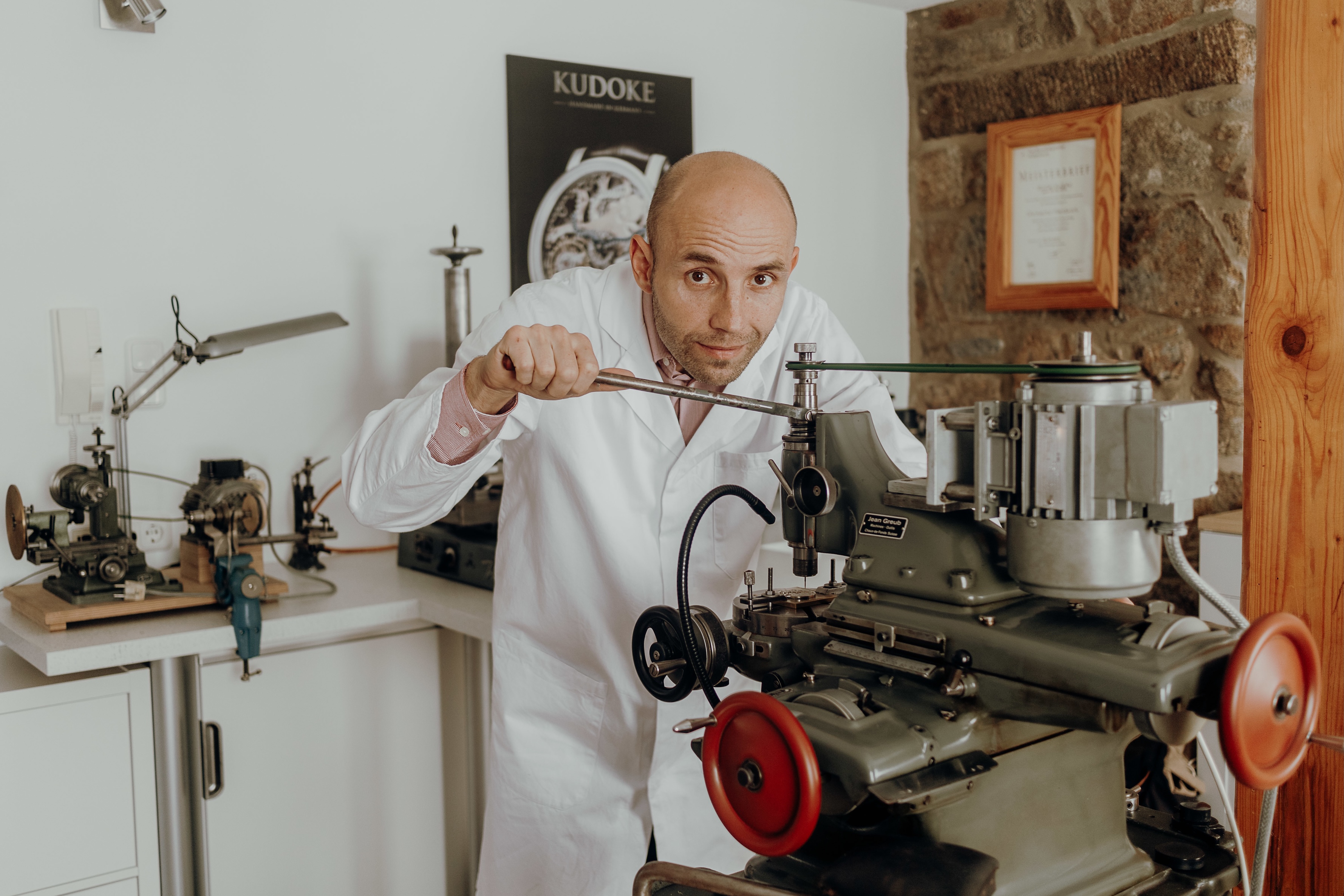
Before founding his brand, Stefan already understood himself as both a craftsman and an entrepreneur. As a teenager, he launched a small airbrush business alongside friends – not out of necessity, but because he felt naturally compelled to create something of his own. That instinct eventually carried him into professional watchmaking, where he built experience restoring complicated timepieces and working within established brands.
But even as his technical knowledge deepened, another realization quietly began taking shape.
“I realized I was just a small wheel in a much bigger machine,” Kudoke reflects. “And that this was not where I truly belonged.”
The desire to build something independent grew steadily stronger over time. He wanted the freedom to create watches that reflected his own philosophy – pieces rooted in the traditions of Saxon watchmaking but interpreted through a more personal and artistic lens.
Starting his own company, he explains, was not a sudden leap into the unknown. It was simply a natural evolution toward becoming who he had always been.
That independence, however, required more than technical skill alone.
After completing his Master Craftsman’s certification as a watchmaker at only 22, Kudoke made what some might consider an unusual decision: he returned to university to study business administration. If he was going to build something lasting, he understood he would need more than creative vision. He needed the tools to support it entrepreneurially as well.
“It was a conscious step,” he says. “Not only creatively, but also entrepreneurially.”
That duality – artist and businessman, craftsman and founder – would eventually become central to both his personal journey and the identity of KUDOKE itself.
In the beginning, the greatest challenge was not the watches.
Which, admittedly, might sound surprising.
No, it was everything else that goes with founding a watch brand.
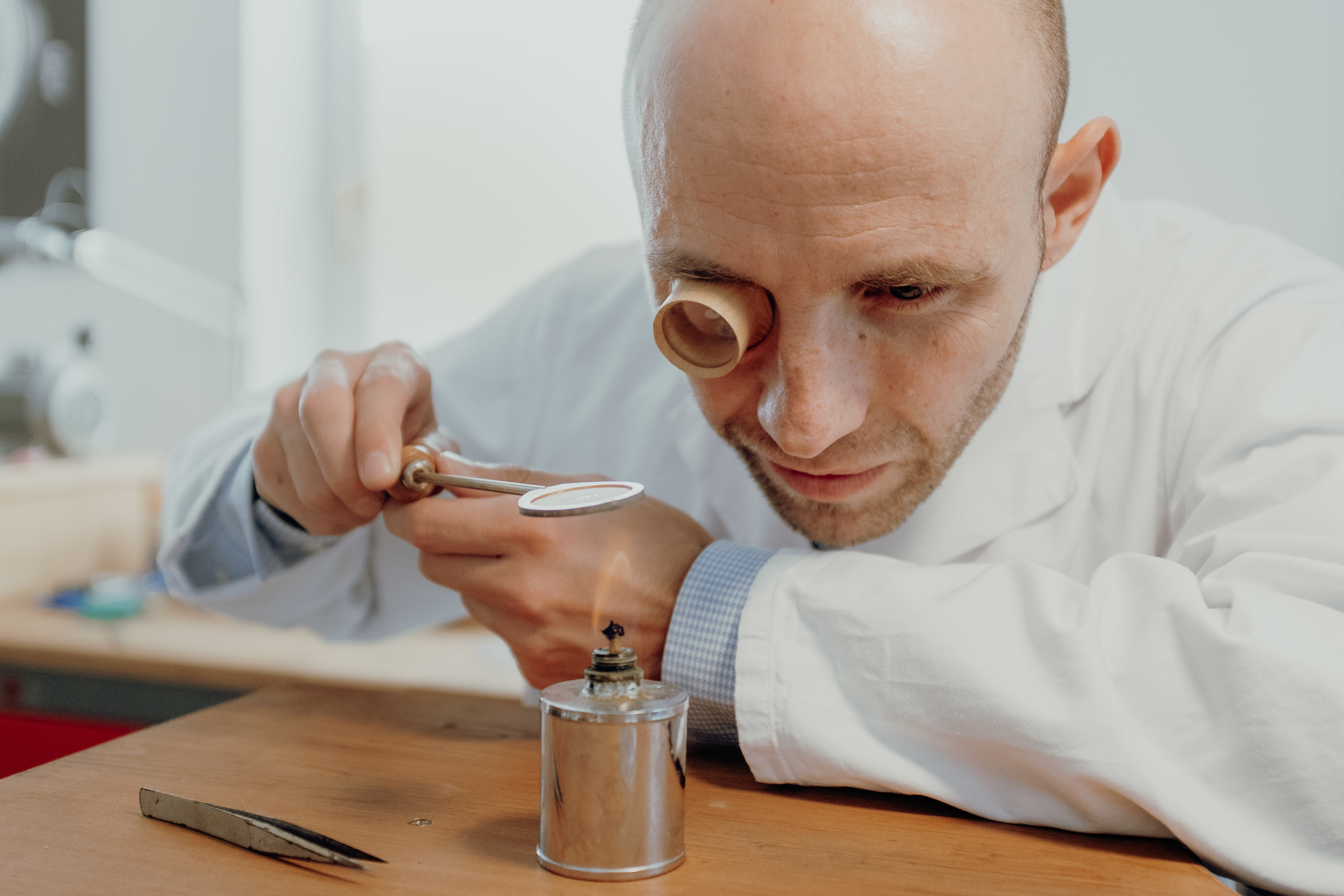
Today, independent brands can build audiences almost instantly through social media and digital communities. But when KUDOKE first launched, visibility depended heavily on press coverage, retailers and watch fairs. For two founders without investors or established industry connections, simply getting in front of collectors felt daunting.
“There was no social media at the time,” Kudoke says. “So, visibility was incredibly difficult.”
Balancing those realities with the quiet precision of watchmaking proved equally demanding. At the bench, the work required patience, solitude and focus. Running a company demanded something entirely different: communication, distribution, relationships and constant adaptability.
There is, after all, far more to building a watch brand than simply making watches.
Even with formal business training, Kudoke admits those competing worlds only truly reveal themselves once you are living inside them. Still, that tension between creator and entrepreneur ultimately became one of the most rewarding aspects of his journey.
Some of the earliest decisions made during those formative years still define KUDOKE today.
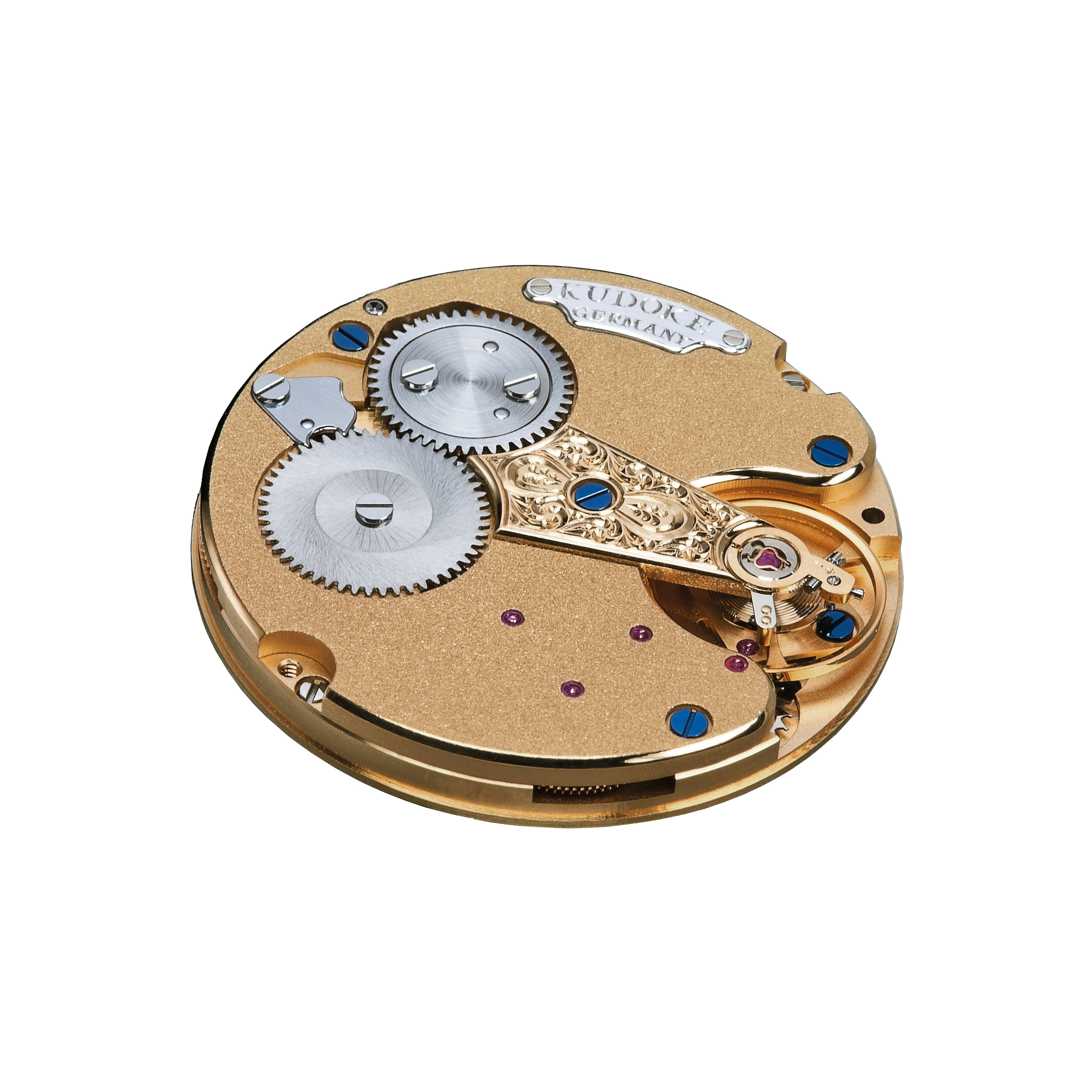
Most importantly, Kudoke committed himself to remaining independent. That meant maintaining complete control over design, production and finishing – a philosophy that continues to shape every aspect of the brand.
Equally important was the decision to prioritize handcraft over efficiency.
From the very beginning, each KUDOKE watch would feature a high degree of artisanal manual work, particularly hand engraving. In an era increasingly dominated by industrial production and automation, Kudoke viewed traditional craftsmanship not as nostalgia, but as something deeply human.
“Each stroke carries the trace of the maker,” he explains. “A rhythm, a decision, a moment in time. There’s a uniqueness to every piece when created by hand.”
It’s a philosophy visible throughout the brand’s work, where finishing is never treated as decoration alone, but as emotional expression embedded directly into the watch itself. Slight variations, subtle imperfections and the visible presence of the maker’s hand are not flaws to eliminate – to Stefan, they are what give the watch its soul.
For Kudoke, technology and traditional craftsmanship are not enemies. Modern manufacturing has undeniable advantages in precision and efficiency. But machines, he believes, cannot replicate emotional depth.
“They lack the human nuance that gives a piece its character,” he says.
In many ways, that perspective has only become more relevant in today’s watch industry. As trends accelerate and mass production expands, KUDOKE has remained intentionally slower and more intimate in its approach.
For the brand, luxury has little to do with visibility or status.
“It is about authenticity, craftsmanship and the personal connection a watch creates with its owner,” Kudoke says.
Every watch can be individualized, creating a relationship between collector and maker that feels collaborative rather than transactional. That closeness has become one of the defining characteristics of the brand.
Collectors are not simply customers. They become part of the story itself.
Ironically, one of the most defining moments in KUDOKE’s evolution emerged from a period of uncertainty.
At one stage in his career, Kudoke experienced what he describes as a creative crisis – a moment where he began questioning both his artistic direction and how he expressed himself through watchmaking.
Rather than pushing him away from the craft, however, the experience forced him deeper into it.
The result was the HANDwerk collection, now one of the most recognizable and personally meaningful parts of the KUDOKE catalogue.
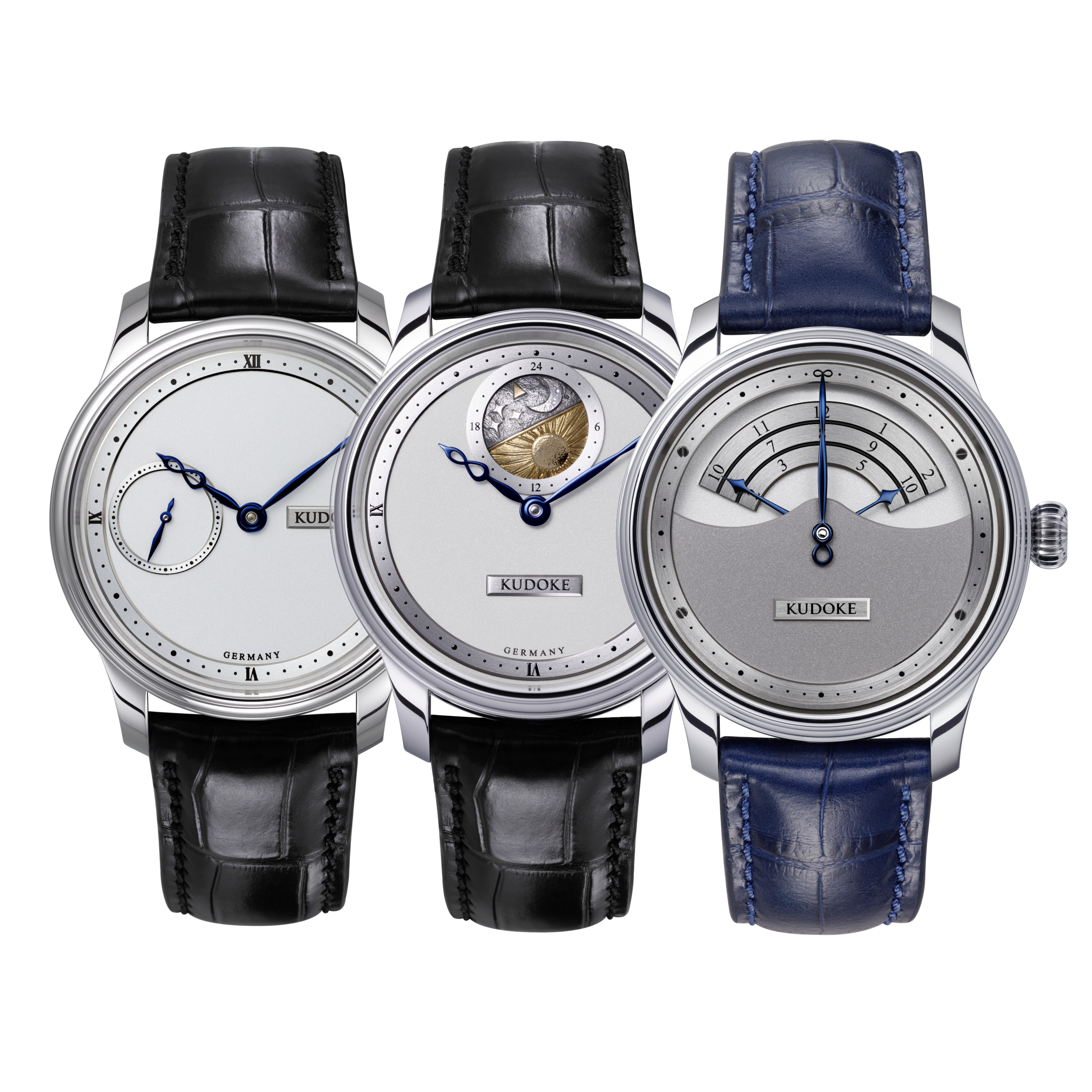
“It led me back to the essence of traditional craftsmanship,” he says.
The collection became a distilled expression of everything Kudoke valued most: hand–finishing, artistic restraint, engraving and emotional storytelling. More importantly, it represented a turning point in his own development as a creator.
“What makes this series meaningful is that it reflects personal development as well,” he explains. “Moments of uncertainty can ultimately lead to the most important results.”
That philosophical outlook extends far beyond the HANDwerk series alone. Many KUDOKE watches explore themes tied to mythology, day and night and humanity’s emotional relationship with time itself.
Because for Kudoke, time has never been purely functional.
“A watch measures time,” he says, “but it can also reflect how we experience it – emotionally, culturally and spiritually.”
That artistic sensibility has shaped his work since the very beginning. While precision remains foundational to horology, Kudoke has always been drawn to the idea that watchmaking can become a form of storytelling and artistic interpretation.
Themes like mythology and celestial cycles allow him to bridge technical watchmaking with something more universal: imagination.
As KUDOKE matured, the company gradually evolved from a deeply personal project into something larger than its founder alone.
That transition did not happen suddenly. Instead, it emerged slowly through the growth of the team, the expanding collector community and the increasing realization that the brand’s identity was no longer shaped solely by one person.
“It became something bigger than me,” Kudoke says.
That evolution also forced changes in his leadership style.
In the early years, his approach was intensely hands–on, with nearly every decision tied directly to his own instincts and work at the bench. Over time, however, he learned that sustainable growth required trust – and a willingness to relinquish some control.
“Leadership became less about directing and more about listening,” he explains.
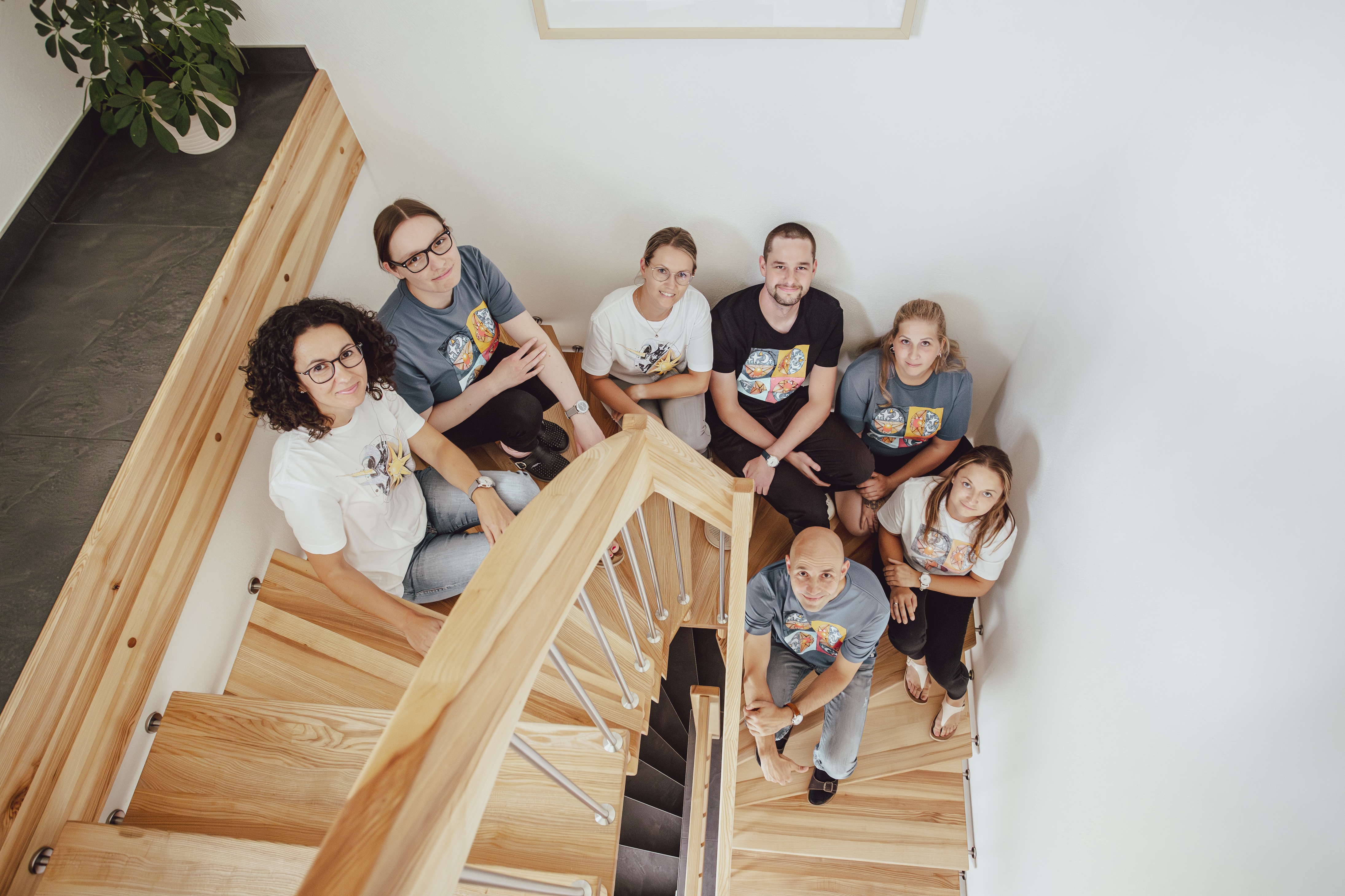
Learning to let go was difficult at first. As a craftsman, Kudoke was accustomed to precision and personal oversight. Accepting that not every detail could remain in his hands required a significant shift in mindset.
But it also allowed the company to mature.
Today, KUDOKE remains intentionally selective in how it grows. The company does not expand simply because demand increases. Every addition to the team is evaluated not only on skill, but on shared values and cultural fit.
“It’s about whether someone truly fits into the family,” Kudoke says.
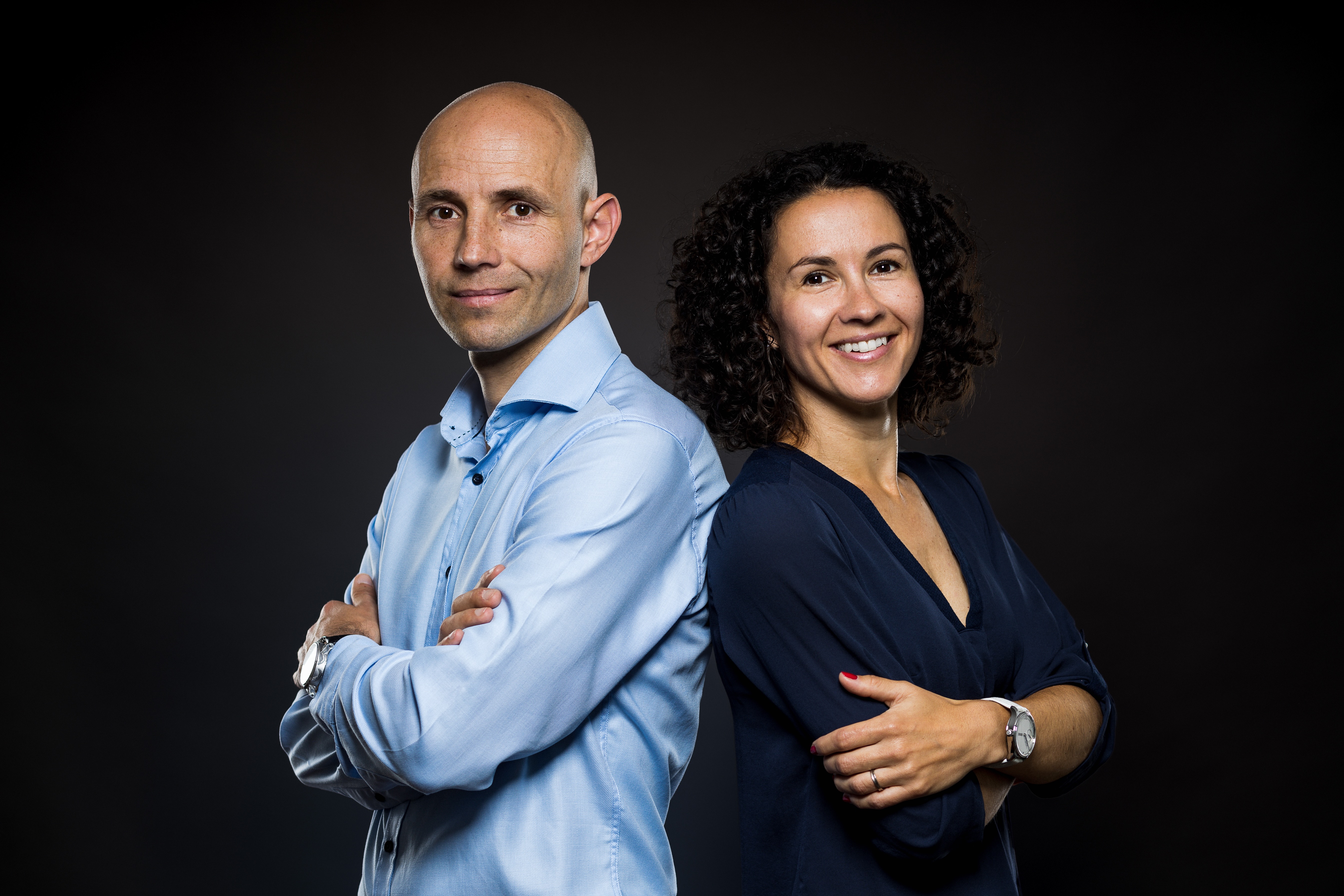
That family dynamic extends back to the beginning of the company itself. Kudoke frequently credits his wife Ev– with whom he founded the brand – as essential to its survival during the difficult early years. Her emotional and financial support helped sustain the company through long hours, uncertainty and inevitable setbacks.
“The greatest sacrifice was time,” he reflects. “Time that otherwise would have been spent more freely with family and friends.”
Still, those sacrifices ultimately laid the foundation for everything that followed.
For all KUDOKE’s growth and international recognition, Stefan remains deeply focused on preserving what he sees as the human side of watchmaking.
In an age increasingly shaped by AI, automation and the relentless pace of technology, that mission feels more meaningful than ever.
“We hope people understand they are not simply buying a watch,” he says. “They are supporting the preservation of traditional watchmaking and centuries–old techniques.”
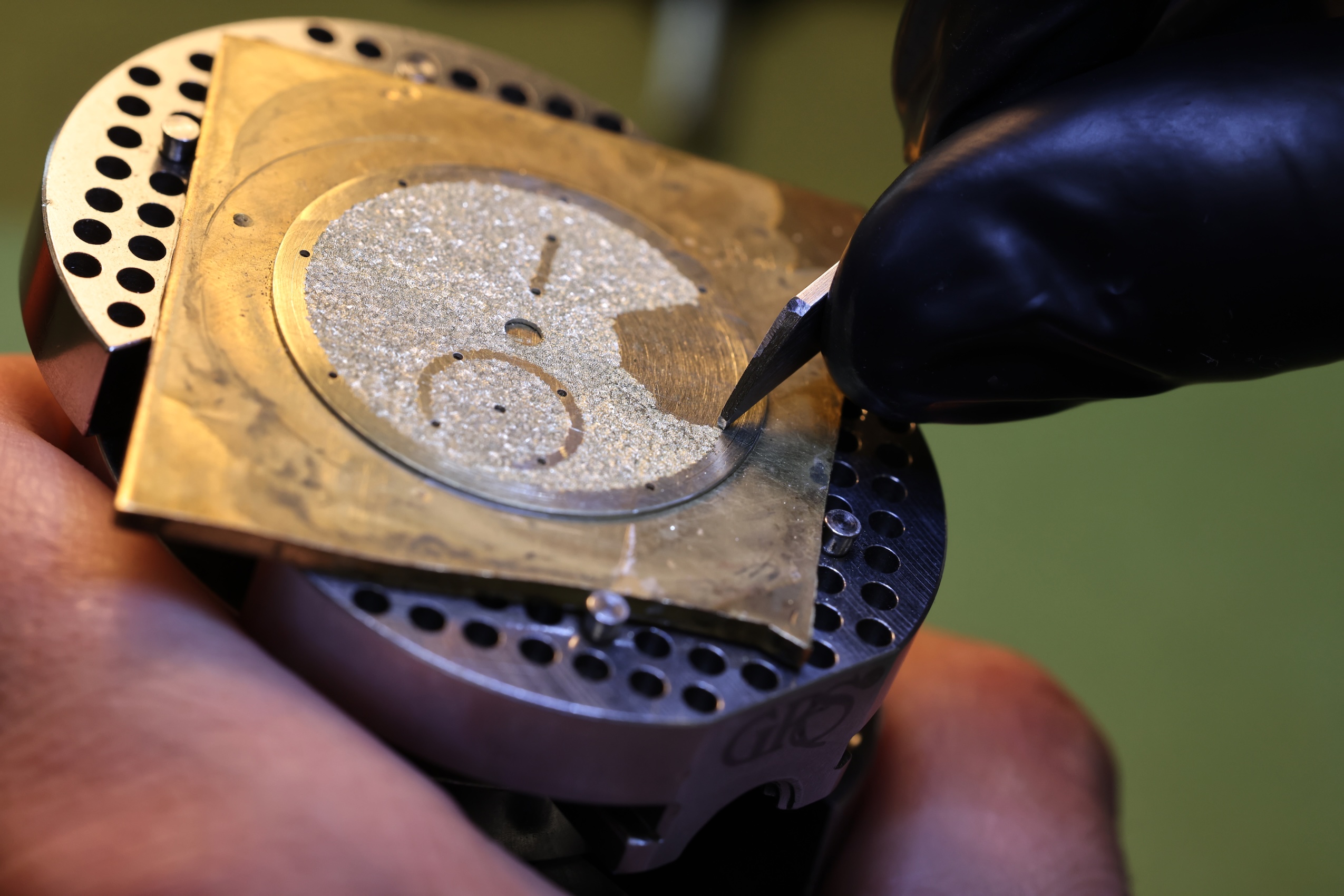
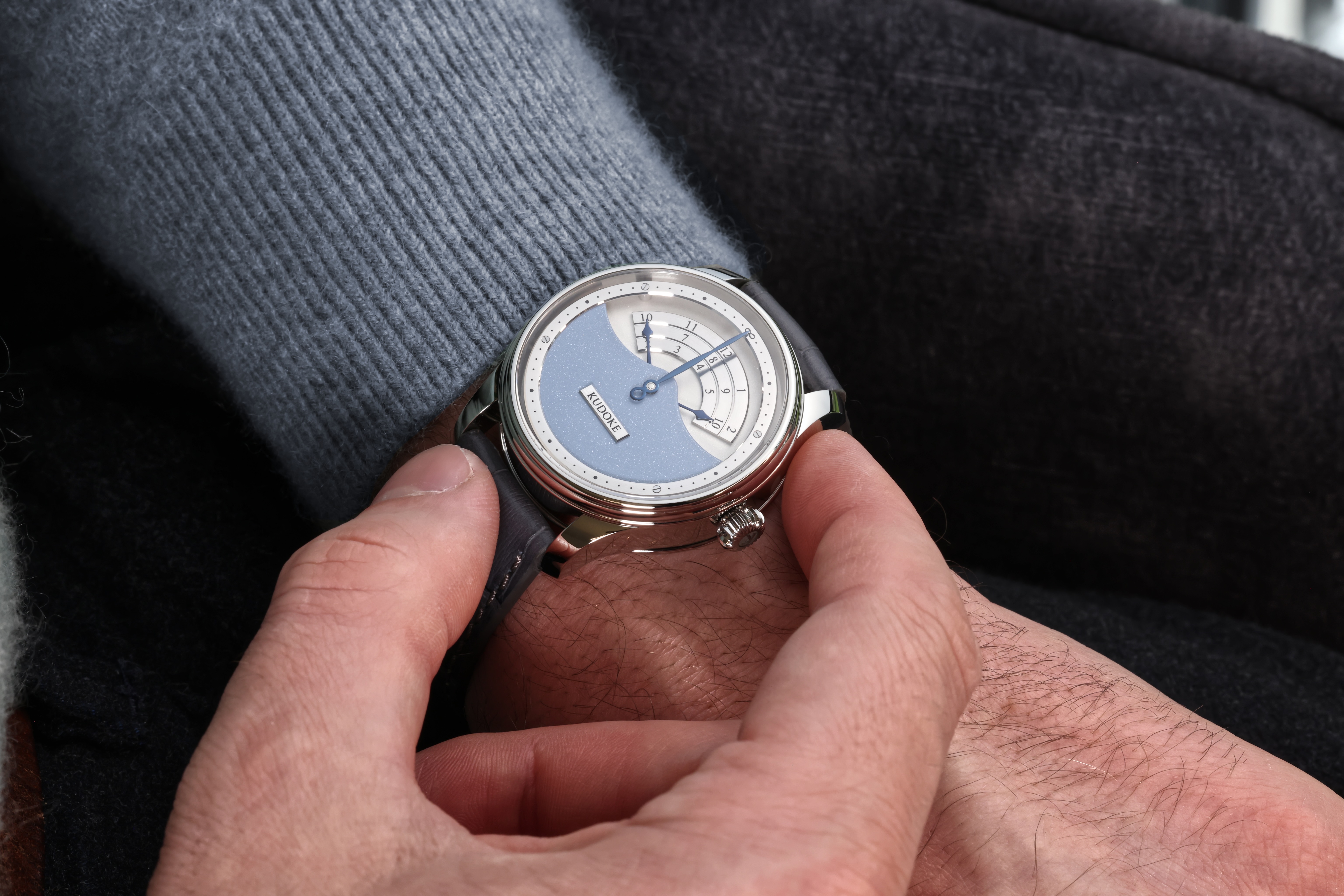
That belief – that true craftsmanship and artistry carry cultural and emotional importance beyond the object itself – lies at the heart of everything KUDOKE creates.
Through his brand, Stefan reminds us that tradition is not about standing still. It is about carrying the human spirit forward through craft – preserving the emotional connection between maker, object and owner in a world moving faster by the day.
%201.png)
