Written by: Jason Hutton
When I began sketching out what would become the Toronto Timepiece Show in early 2023, I wasn’t thinking about scale. I wasn’t thinking about national expansion. I was thinking about absence.
Canada has always had serious watch collectors — thoughtful, globally connected, quietly obsessive in the best way. But for a country this large, we had remarkably few spaces where that enthusiasm could gather in full view. Most interactions were happening in small meetups or online threads. The majority of Canadian collectors had never attended a dedicated, large-scale timepiece event. Those who had usually boarded a flight to New York or Geneva to do it. Brands, meanwhile, struggled to access Canadian audiences directly. We were participating in global watch culture — just rarely on home soil.
The idea behind the show was simple: create a room where the conversation could finally happen face-to-face.
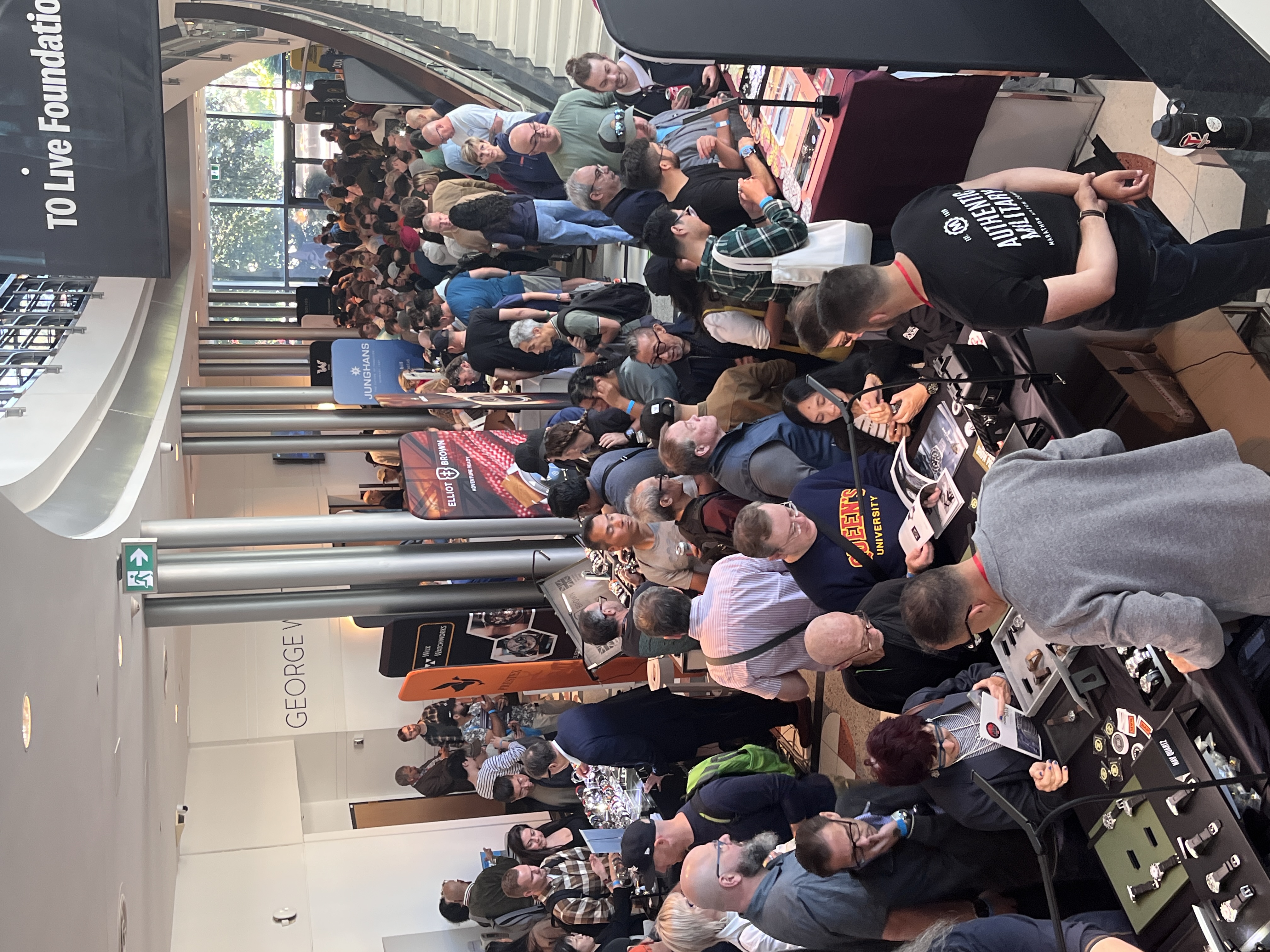
Organizing the first edition was less romantic than the idea itself. Logistics are humbling. Convincing brands to commit to an untested concept in Canada required more than enthusiasm — it required trust. Collectors, too, needed to believe that this wouldn’t be a trade show in the stiff, traditional sense, but something more intimate and accessible.
From the outset, accessibility and authenticity were non-negotiable. Watches can be intimidating from the outside; the culture sometimes even more so. I wanted the event to feel open — to the seasoned collector comparing independent calibres and to the newcomer attending their first show. No velvet ropes. No unnecessary theatre. Just tables, conversations and the quiet electricity that comes from handling a watch you’ve only ever seen on a screen.
When the first show opened in September 2024, the success wasn’t measured solely by attendance numbers or brand count. It was measured in the clusters of people leaning over display cases, in the extended conversations between founders and collectors, in the follow-up messages weeks later about collaborations sparked on the show floor. The energy carried.
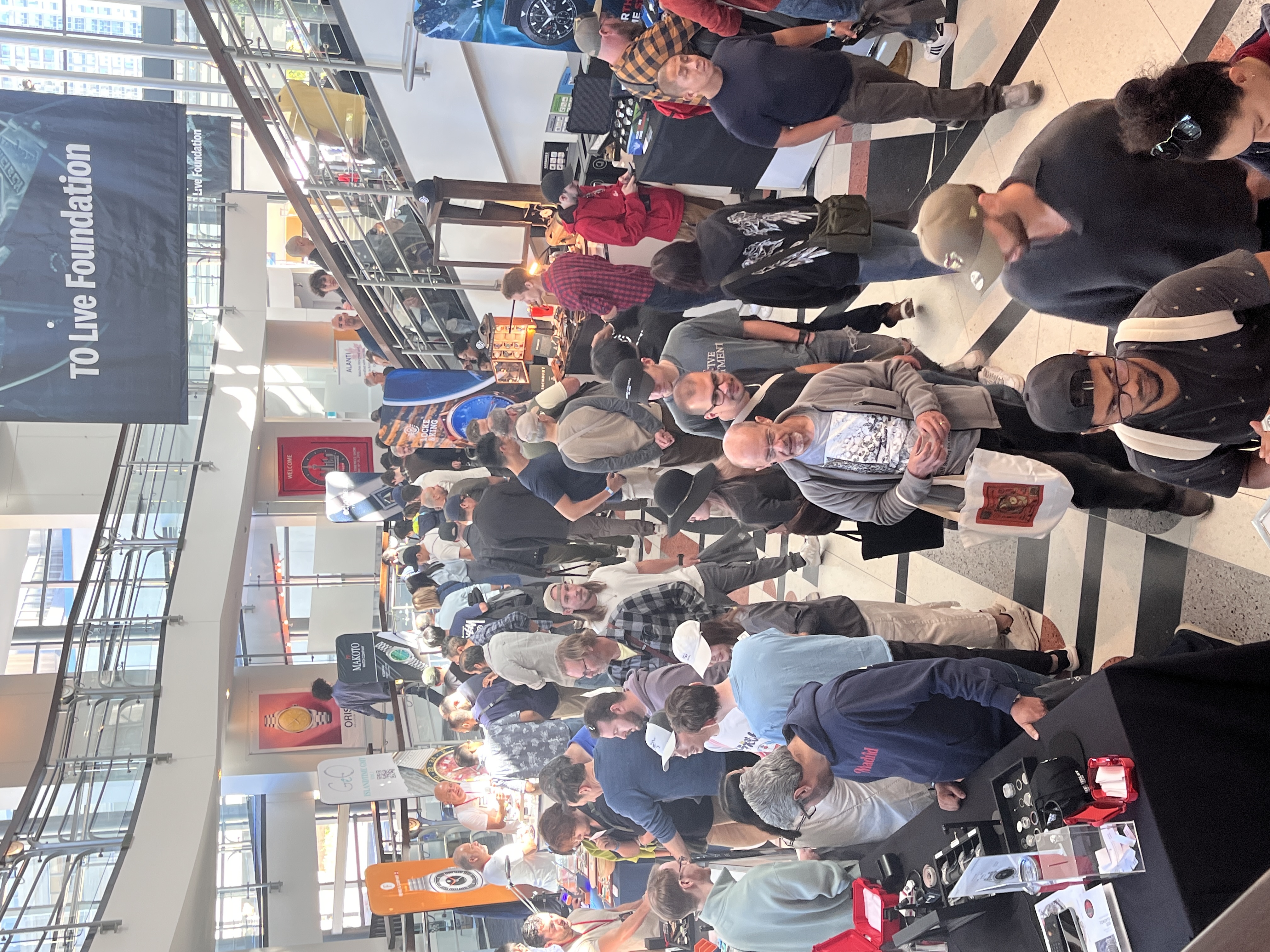
And then came the inevitable question: When are you bringing this to us?
Expansion to the Vancouver Timepiece Show and the Montreal Timepiece Show wasn’t part of a grand rollout strategy. It was a response. Vancouver’s watch community has a distinct sensibility — modern, design-forward, deeply interested in independents. Montreal carries its own rhythm, with an appreciation for heritage, storytelling and craft that feels almost European in tone. While all three shows follow a similar three-day format, each city shapes its own version of the experience.
What has emerged is something that didn’t previously exist in this country: a connected horological platform stretching from coast to coast. Together, the shows form a conduit between international brands and a Canadian audience that is both large and increasingly sophisticated. More importantly, they give Canadian collectors a visible presence in the global watch conversation.
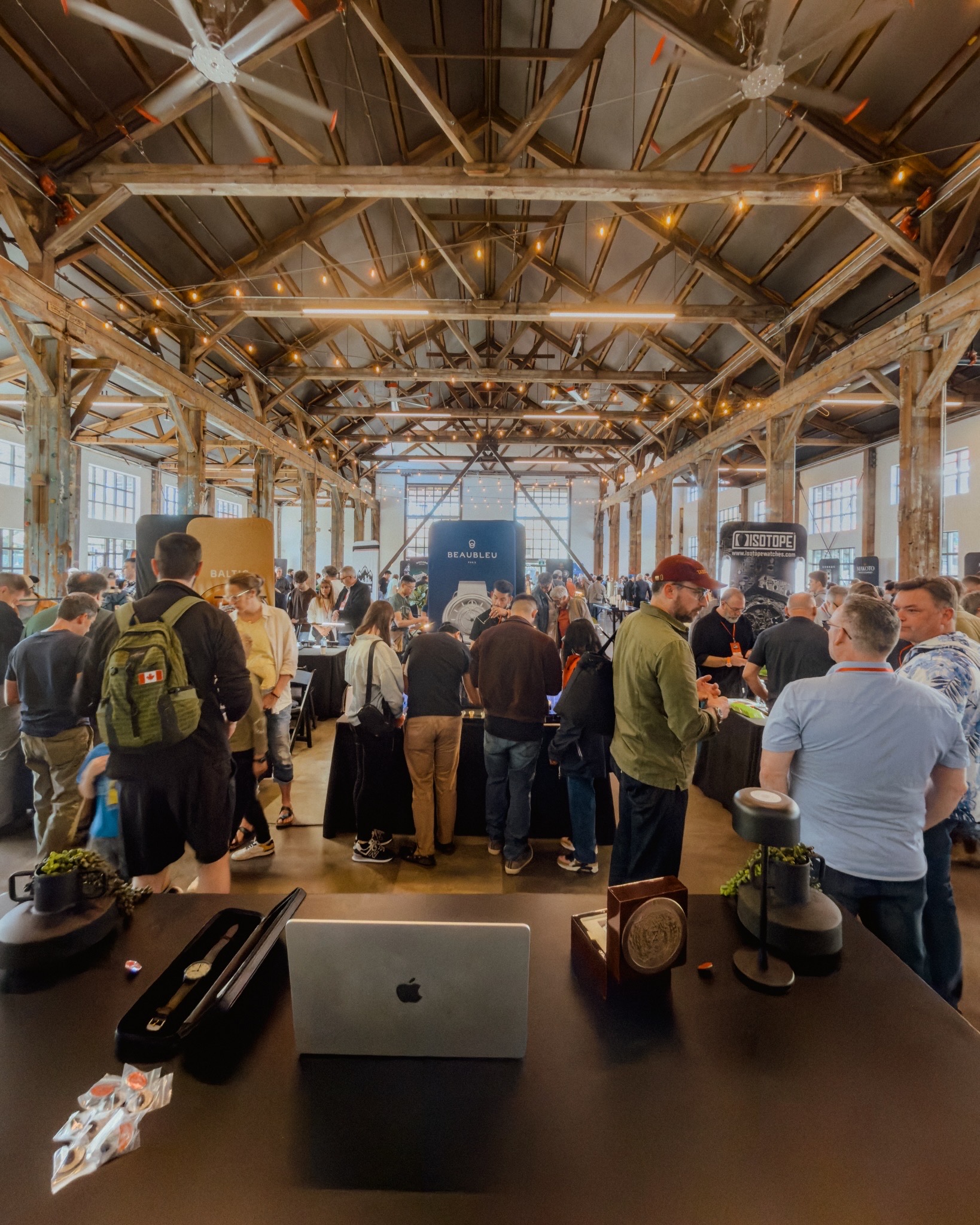
The timing hasn’t been accidental. Over the past decade, watch culture has shifted. Independent makers have moved from the margins to the centre of collector attention. Storytelling matters more. Provenance matters more. The appetite for meeting the human being behind the dial has grown. Social media has accelerated discovery, but it hasn’t replaced tactility. You can admire finishing on a screen, but you understand it when light hits the movement in your own hand.
Physical gatherings matter precisely because watches are emotional objects. You feel them. You react to them. And when you meet the founder who designed it, the object acquires dimension.
Canada’s geography has long made cohesion difficult. We are expansive by design. For years, our collectors were connected digitally but dispersed physically. The Timepiece Shows have, in a modest way, helped close that distance. They’ve created a domestic stage — one that invites international participation while amplifying Canadian voices.
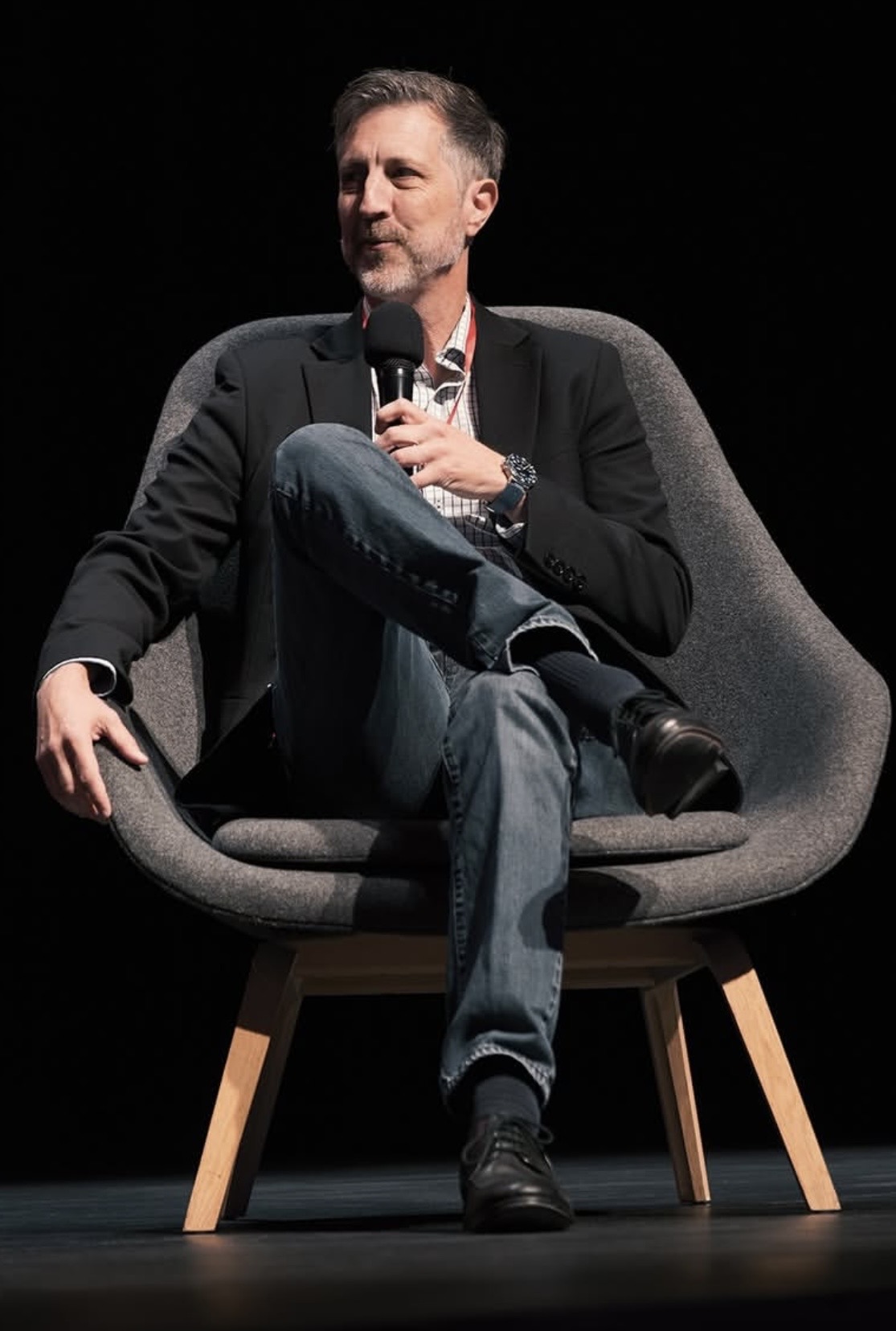
What I’ve come to appreciate most as a founder is how little the shows ultimately belong to me. They evolve because of community feedback. Programming has grown more robust because attendees asked for deeper educational components. Brand curation has sharpened because collectors were candid about what they wanted to see. There is always a tension between growth and intimacy, between ambition and preservation. Navigating that tension is part of the work. It’s also what keeps the shows honest.
Looking ahead, my focus isn’t simply on adding more cities. It’s about depth. Supporting emerging brands. Expanding educational talks and panel discussions. Creating entry points for new collectors who may feel unsure about stepping into the space. As interest in horology grows, so does our responsibility to cultivate a community that is informed, welcoming and sustainable.
The long-term vision is straightforward: ensure that collectors across Canada have a consistent, credible place to gather — one that reflects both our national character and our global engagement.
If there’s a lesson in all of this, it’s that watch culture thrives wherever people are given permission to care openly about craftsmanship, mechanics and design. The shows have become less about transactions and more about memory — about the conversations that linger long after the cases are packed up.
Time, after all, is what we measure. Community is what we build.
%201.png)
