Written by: Matt Black
There are some people you interview, and then there are some people you meet.
Speaking with Alexandre Beauregard feels like the latter. Within mere minutes, the formality dissolves. It quickly strikes you that you’re no longer asking questions, but rather listening, sort of catching up – pulled into the orbit of someone who speaks with the ease and warmth of an old friend. It’s disarming, especially given the intensity of the world he inhabits: haute horlogerie, where precision is everything and compromise is often fatal.
But spend an hour with Beauregard, and one thing becomes clear – his story runs deeper than watchmaking.
It’s about obsession. Sacrifice. Family. And an almost stubborn refusal to accept anything less than exceptional.

Long before Alexandre Beauregard became one of independent watchmaking’s most distinctive voices, he was building film sets.
“I studied cinema,” he says. “I wanted to be a director.”
That instinct – to create and compose – never left him. Today, it shows up in his watches: highly visual, deeply layered and built with the same attention to detail that once defined his work behind the camera.
His path, though, was anything but conventional. A self-described “late bloomer” from Montreal, Beauregard was drawn to art and literature early on – but it was his intensity, more than direction, that would ultimately shape his trajectory.
At 20, Beauregard and his wife bought a triplex. Then another. And another.
“I learned how to renovate,” he says. “We raised the value, took the equity, and kept going.”
Eventually, they acquired a fiveplex with a laundromat on the ground floor. After an injury forced him off film sets, Beauregard stepped in to run it – and when a hotel called asking about commercial laundry services, he said yes.
“We didn’t – but that day we started,” he clarifies with a grin.
Within months, they were servicing major hotels, including the Ritz-Carlton. The business grew quickly, grounded in a simple principle:
“Everything has to be perfect.”
It’s a standard that would later define his approach to watchmaking – where precision, discipline and an intolerance for compromise are everything.
If there is a defining truth in Beauregard’s story, it’s this: nothing about his success came easily.
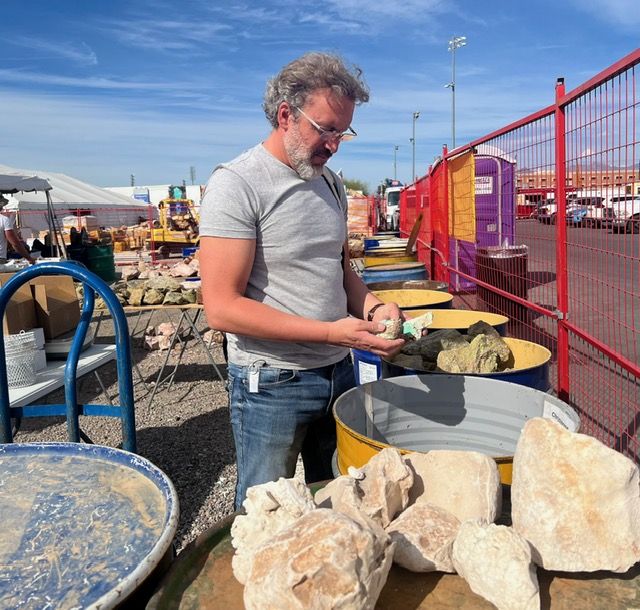
For nearly a decade – and still to this day – he worked without a salary, reinvesting everything into his watchmaking ambitions. He sold properties to fund development. He taught himself everything – from polishing components to sourcing gemstones to designing movements.
“I stopped sleeping. I stopped eating,” he says plainly. “It was a disease.”
As you can sense, the romantic language often used to describe passion doesn’t quite apply here. Beauregard is more direct.
“It’s not something I decided to do. It’s something that possessed me.”
That possession led to moments that would break most people. After nearly ten years of work preparing to launch his first collection – complete with marketing, photography and production – he scrapped it overnight.
Why?
Because it wasn’t good enough.
In its place came something far more ambitious: a design built around a central flying tourbillon, conceived spontaneously over dinner in La Chaux-de-Fonds, sketched on napkins like a scene from a film.
“You have to be very hard on yourself,” he says. “If it’s not right, you start again.”

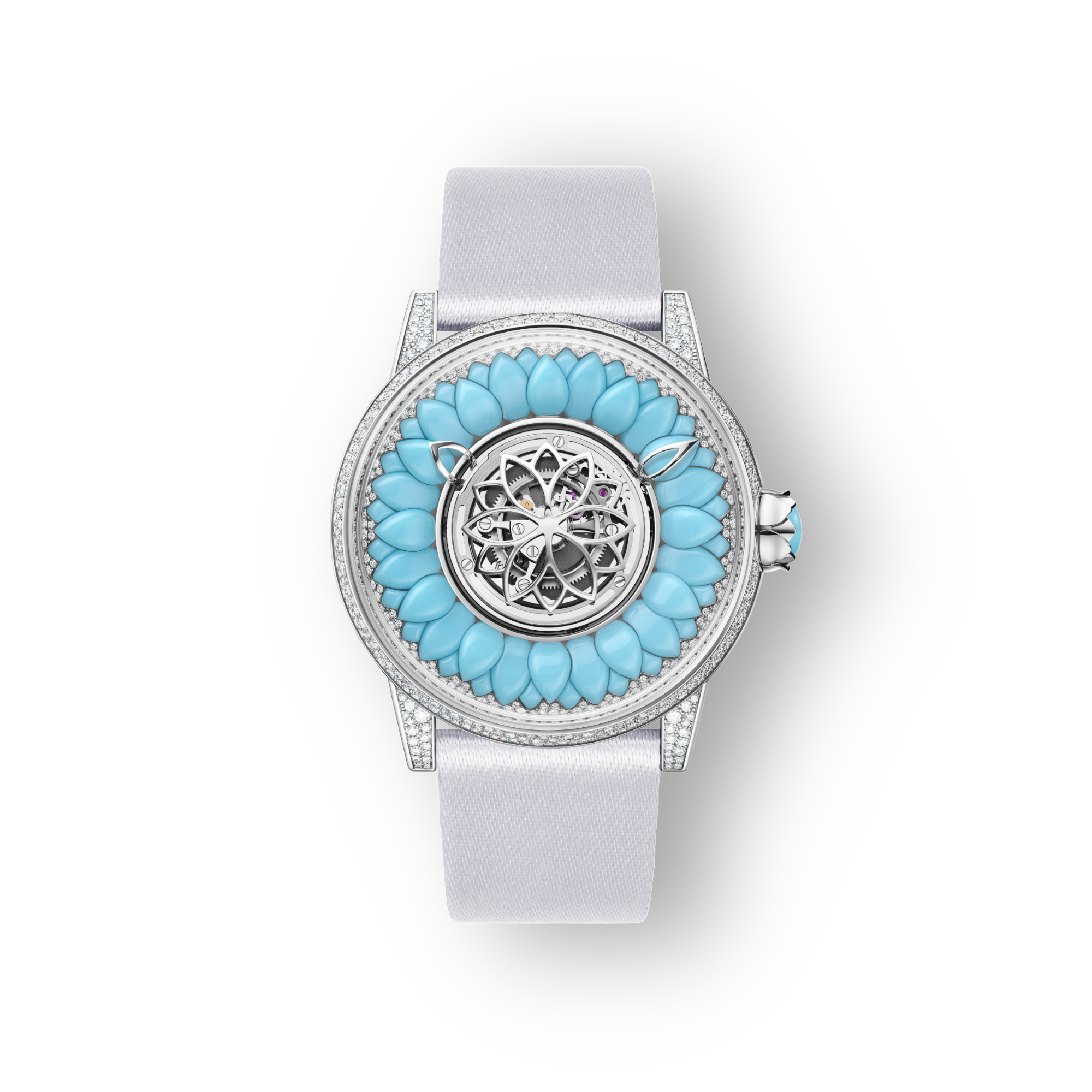
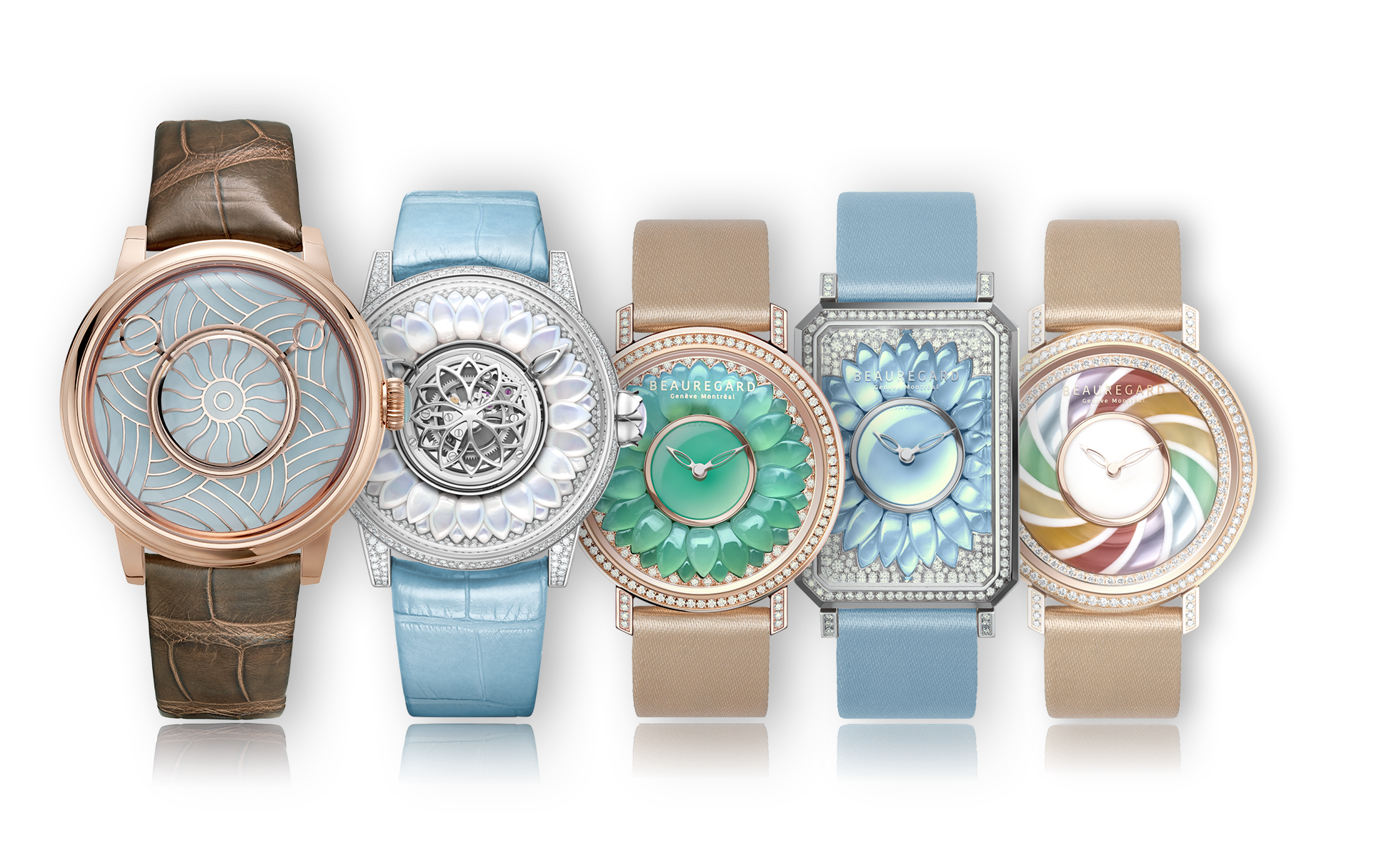
Today, Beauregard watches are instantly recognizable – not necessarily because of branding, but because of identity.
Remove the name from the dial, and those who know, know.
That level of artistic clarity doesn’t happen in isolation. While Beauregard drives the creative vision, he has built deep relationships with some of Switzerland’s most respected watchmakers – working closely with longtime collaborator Vianney Halter to bring his ideas to life.

Beauregard doesn’t design watches so much as he builds them from layers of experience – literature, personal history, visual imagination. His Ulysse collection, for example, draws from Homer’s Odyssey, a story that resonated so deeply with him that he named his son after its hero.
“I read it when I was young, and it stayed with me,” he says. “Sometimes something grips you, and you don’t know why.”
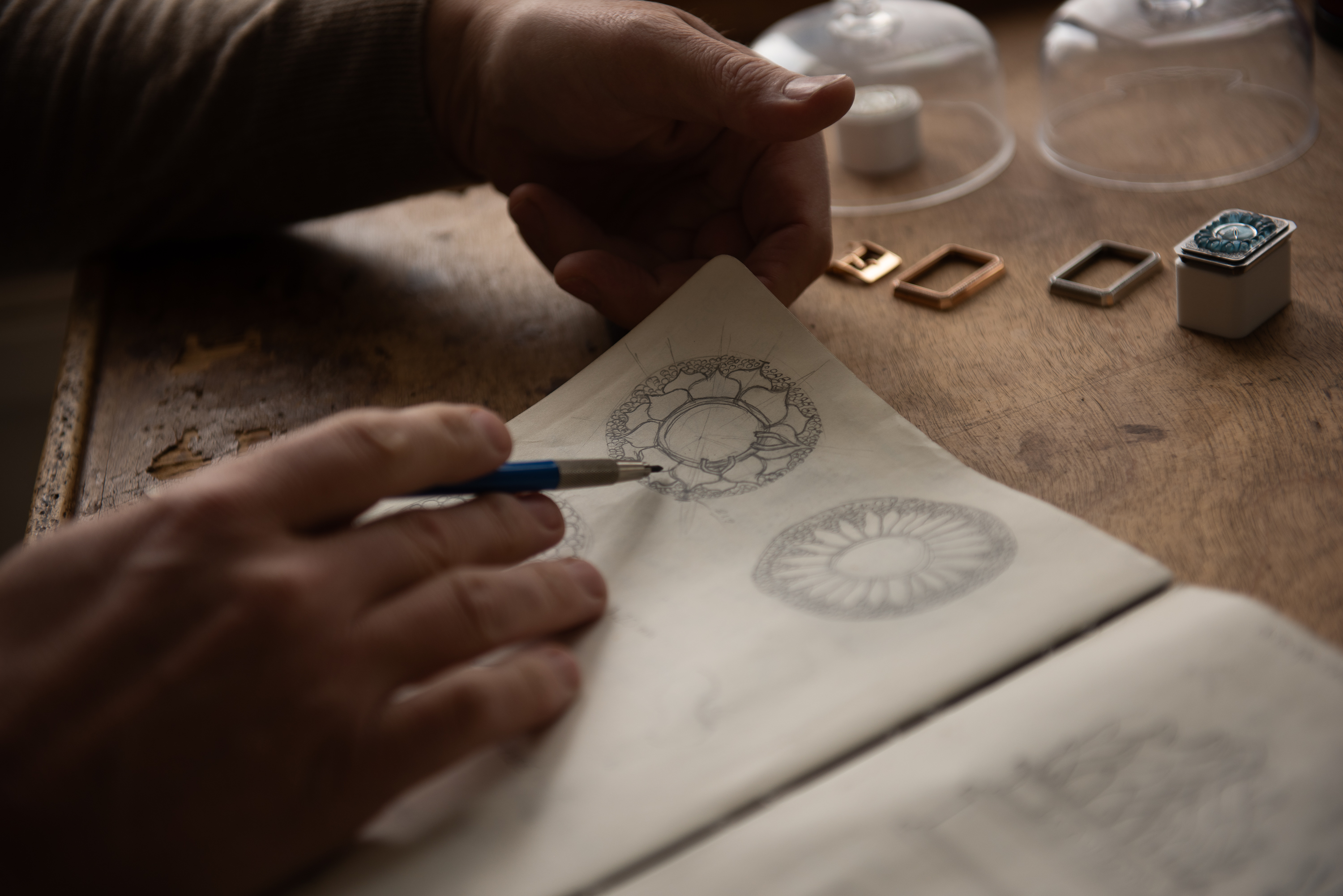
It’s that same instinct – part intuition, part obsession – that guides his creative process. Ideas are sketched, shelved, revisited months or years later. Nothing is rushed. Nothing is forced.
And crucially, nothing is released until it feels right.
In an industry where many brands prioritize speed to market, Beauregard operates differently. He will delay, redesign or completely abandon a project if it doesn’t meet his standard.
“Good enough is not enough,” he says, without hesitation.
For all the control Beauregard exerts over his work, there is an equally powerful sense that some things in his life unfold organically – almost poetically.
Nowhere is that more evident than in the story of his son.
Named Ulysse, after the literary figure that inspired one of Beauregard’s defining collections, his son has grown up immersed in the world of watchmaking. Fluent in five languages, he now studies in Saint Petersburg – a city that, coincidentally, inspired Beauregard’s next collection.
Except it wasn’t planned that way.
The designs for the Saint Petersburg collection were conceived years earlier, inspired by a book on Fabergé. They sat, waiting, until the time felt right to revisit them.
Only later did his son choose to study in the very city that gave the collection its name.
“You couldn’t write it,” Beauregard says.
And yet, it feels entirely consistent with the way his life has unfolded – a series of decisions made with conviction, creating space for unexpected alignment.
It’s as if, by refusing to rush, Beauregard allows time itself to collaborate with him.

For years, Beauregard’s work was admired within the industry but struggled to gain commercial traction – particularly in the women’s segment, where brand recognition often outweighs artistry.
That began to change with the introduction of his men’s collection.
Collectors took notice immediately.
“They meet me, and it’s humbling because they make me feel like I’m a celebrity,” he says, laughing. “They’ve been waiting two years for their watches – but I never hear any complaints.”
For the first time, the business is sustaining itself. The atelier in Montreal has been expanded. New hires are on the horizon. There is momentum.
And yet, little has changed in how Beauregard approaches his work.
He still doesn’t take a salary. He still reinvests everything. He still wakes up in the middle of the night to rethink a dial design.
Because for him, the goal was never just to build a successful brand.
“The goal has always been to build something incredible.”
In the end, Alexandre Beauregard’s story isn’t just about watches – it’s about the rare combination of vision, discipline and courage required to pursue something fully, without compromise.
It’s about knowing when to push forward, and when to start over.
And perhaps most of all, it’s about trusting that if you commit deeply enough – whether it be to your craft, your instincts or your values – time itself will eventually meet you there.
%201.png)
